Lamb Madras Curry Recipe (Perfect Heat and Taste)
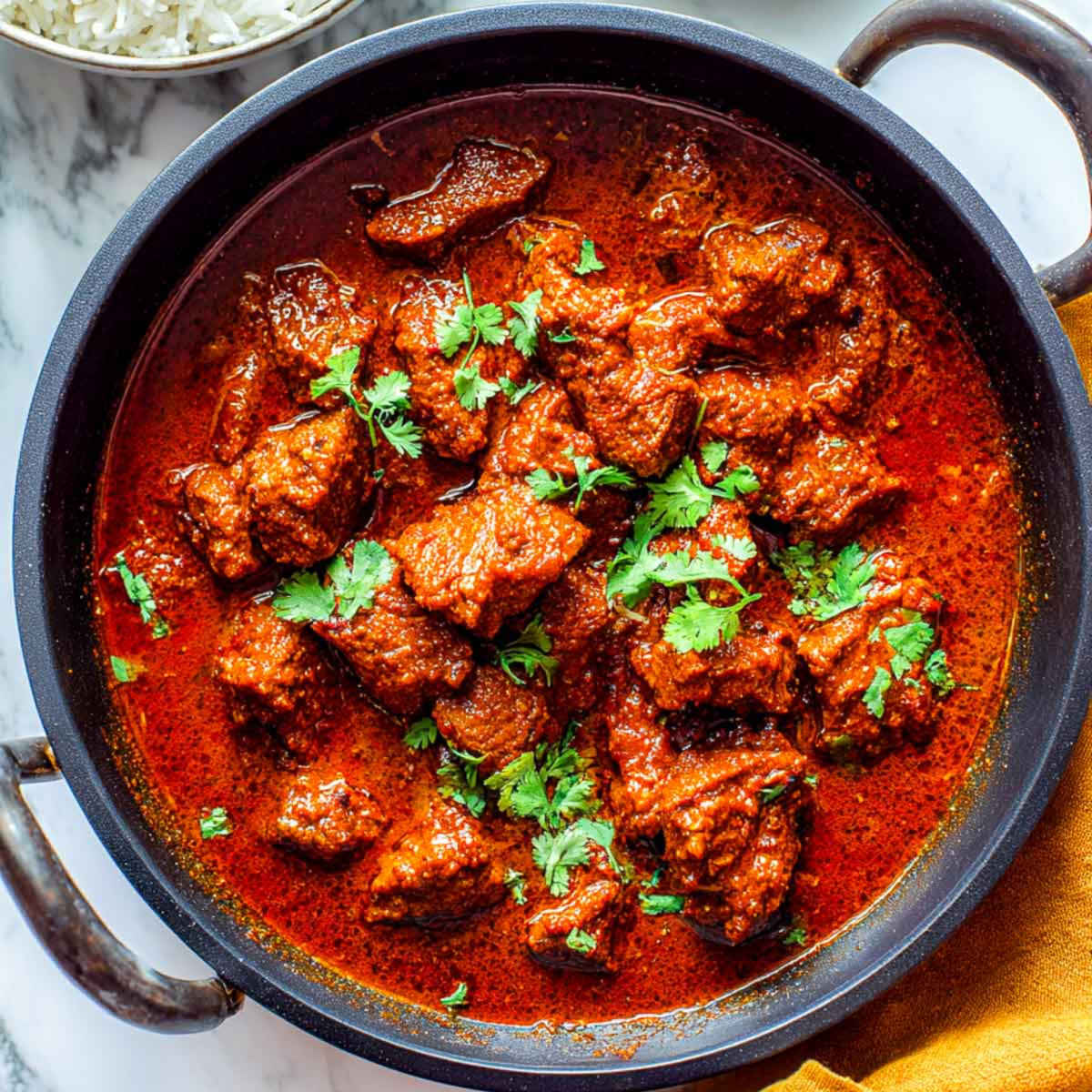
Rich, spicy, and packed with heat, lamb madras is a curry that means business. This bold Indian lamb curry builds its depth from a slow-cooked tomato masala, a strong Madras curry base, and tender lamb that absorbs every bit of spice as it cooks. It delivers a clean, confident heat without losing balance, giving you a cozy, deeply flavored spicy lamb curry that feels just right when you want something warming and full of character.

Disclosure: This post may contain affiliate links. This means I get a small commission if you decide to make a purchase through my links at no extra cost to you.
When I first started testing a stronger, hotter style of lamb Madras curry, I realized the magic is in the balance between heat and depth rather than the heat alone. A good madras curry should feel bold but still rounded, and cooked long enough to turn rich and slightly smoky. This version leans on that idea: a slow build of aromatics, a generous spice blend, and enough simmering time for the lamb to soften and take on the full character of this Indian lamb curry. It is a dish that rewards patience without making the process feel heavy or complicated.

Why You Will Love This Recipe
- This Indian lamb curry works well for both weeknight cooking and weekend batches.
- The heat is adjustable, so you can enjoy a mild or boldly spicy lamb curry with ease.
- Pairs naturally with basmati rice or naan, making it an easy dinner to build into a full meal.
- The masala develops a deep, restaurant-style richness without requiring complicated steps.
- Leftovers taste even better the next day as the flavors settle and the lamb madras thickens into an even more robust gravy.
Key Ingredients

- Lamb: Lamb shoulder is ideal for lamb madras because it softens slowly and absorbs the spices deeply, while the masala reduces. It delivers the rich, full-bodied flavor this curry is known for.
- Goat (Optional Substitute): You can use goat in place of lamb for a more traditional Madras curry profile. Increase the cooking time as goat takes longer to turn tender.
- Madras Curry Powder: This is the core seasoning that gives the curry its heat, color, and signature depth. Store-bought works well, but a homemade blend adds even more character.
- Homemade Madras Curry Powder: If you do not have Madras curry powder, mix the following to make a small batch:
- 1 tablespoon coriander powder
- 1 teaspoon each of cumin powder, turmeric, mustard powder, fenugreek powder, red chili powder, black pepper, paprika, and garlic powder.
- An optional pinch of ground clove.
See the recipe card for the complete list of ingredients and quantities.
Step-by-step Instructions

Step 1: Heat the oil in a large sauté pan over medium heat. Add the chopped onions and cook until softened and lightly golden. Add the garlic and ginger and cook for another minute until fragrant.

Step 2: Stir in the tomato paste and cook it down for a minute. Add the crushed tomatoes, Madras curry powder, red chili powder, coriander, cumin, turmeric, and garam masala. Cook the masala until it thickens and the oil begins to release around the edges.

Step 3: Add the lamb cubes and stir until they are fully coated in the masala. Sear the lamb for several minutes until the edges begin to brown and the spices cling to the meat.

Step 4: Pour in the water and season with salt. Bring the curry to a simmer, cover the pan, and cook for 60 to 75 minutes until the lamb is tender and the sauce has thickened into a deep red gravy.

Expert Tips
- Lamb shoulder is your best choice for lamb madras because it stays juicy and becomes tender as it cooks.
- Let the masala cook down until it thickens and deepens in color. This small step makes the curry taste richer without extra work.
- Choose your chili powder based on the heat you want. Kashmiri chili adds bright color with mild spice, while regular chili powder creates a spicy lamb curry.
- If the curry tastes sharp or tomato-forward, keep simmering. Madras-style gravies balance themselves as they reduce. A small pinch of sugar helps balance sharpness without adding sweetness.
- Aim for a thicker gravy. A proper madras curry should coat the lamb instead of staying runny.
Serving Suggestions
Serve lamb madras with fluffy basmati rice so the sauce has room to soak in. Add warm naan or chapati on the side for scooping up every bit of gravy. A simple cucumber raita cools the heat and brings a fresh crunch. You can round out the plate with a quick onion and tomato salad and a squeeze of lemon. For a bigger spread, pair it with lentil dal and a mild vegetable curry so the lamb stays the star. You can also serve it with jollof rice for a spicy touch.
Recipe FAQs
Use shoulder or leg, they stay tender in a long, slow cook.
It is medium to hot, so reduce the chili for a milder curry.
Plan for 60 to 90 minutes; the lamb should be fork-tender, and the sauce thick.
If the curry tastes too acidic, continue simmering so the tomatoes can mellow naturally. A small pinch of sugar helps balance sharpness without adding sweetness, and a spoonful of ghee at the end can soften the dish while keeping the madras curry rich and balanced.
Store leftover madras lamb curry in an airtight container in the refrigerator for up to three days. Reheat on the stovetop with a splash of water to bring the curry sauce back to the right consistency.
It freezes great for up to 3 months, just cool it first and store in airtight tubs.

More Indian Lamb Recipes
- Lamb and mung bean curry brings together rich, slow-cooked ground lamb with tender moong dal for a cozy, deeply seasoned dinner that tastes like it simmered all afternoon. It's the kind of comfort meal that works for weeknights, makes incredible leftovers, and feels special.
- Lamb palak is a comforting Indian lamb and spinach curry with tender pieces of lamb simmered in a smooth, vibrant spinach sauce. The flavors are warm and balanced, and it pairs perfectly with basmati rice or naan. It's the kind of cozy dinner that feels special without being complicated.
- Lamb pepper fry is all about bold black-pepper heat and that dry, roasted finish that makes every bite feel cozy and satisfying. The lamb turns tender first, then crisp around the edges as it cooks down into a deep, peppery masala. Perfect with rice, roti, dosa, or anything already on your dinner table.
- Some curries earn a permanent spot in the dinner rotation, and this is one of them. This lamb rogan josh combines tender lamb and balanced spices in a smooth curry sauce that works for families and guests alike. It carries the familiar depth of traditional Indian lamb recipes and pairs easily with rice or naan.
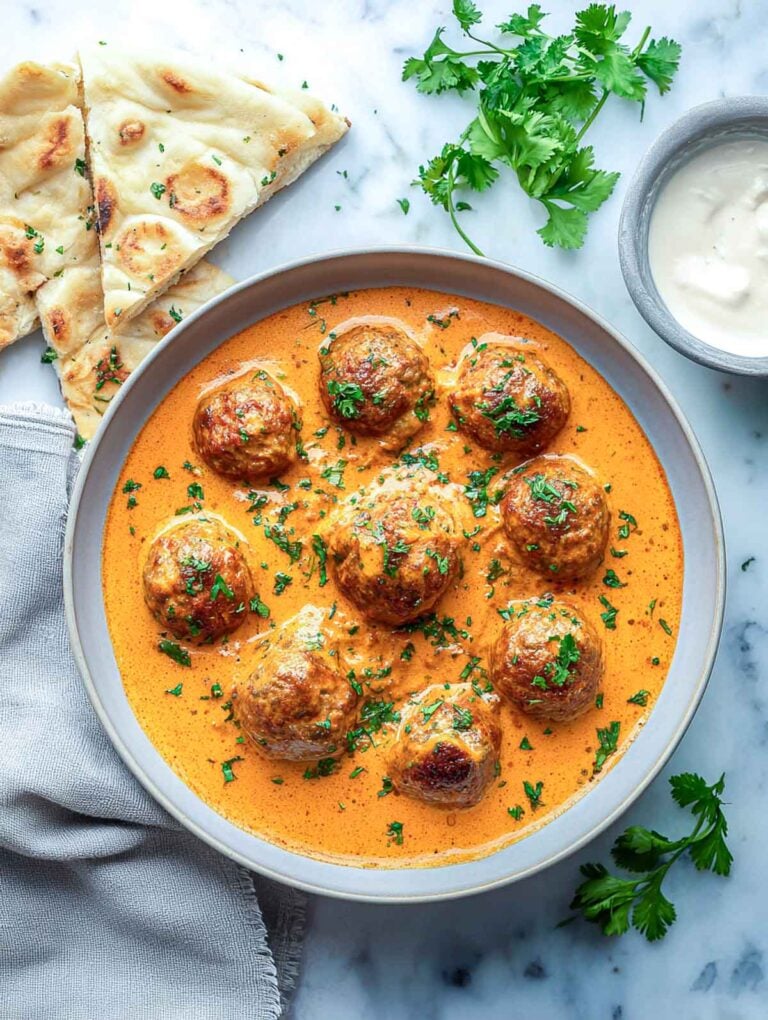
- These Indian lamb meatballs bring together tender oven-baked meatballs and a mild, creamy makhani sauce that feels cozy without any strong heat. The hidden veggies blend right in, the flavors stay balanced, and the dish pairs beautifully with rice or naan. It's the kind of family dinner that looks impressive, tastes comforting, and still fits into a busy weeknight.
If you tried this Lamb Madras Recipe or any other recipe on my website, please leave a 🌟 star rating and let me know how it went in the 📝 comments below.
Equipment
- Large saute pan
Ingredients
- 2 tablespoons oil
- 1 large onion finely chopped
- 6 cloves garlic minced
- 1 tablespoon ginger grated, about 1 inch
- 2 tablespoons tomato paste
- 1 cup crushed tomatoes
- 1 tablespoon Madras curry powder
- 1-2 teaspoons red chili powder adjust as per taste
- 2 teaspoons ground coriander
- 1 teaspoon ground cumin
- 1 teaspoon turmeric
- 1 teaspoon garam masala
- 2 pounds lamb shoulder or leg, cut into cubes
- 1 cup water
- Salt to taste
- Fresh cilantro for garnish
Instructions
- Heat the oil in a large sauté pan over medium heat. Add the chopped onions and cook until softened and lightly golden, about 5-6 minutes. Add the garlic and ginger and cook for another minute until fragrant.
- Stir in the tomato paste and cook it down for 1-2 minutes. Add the crushed tomatoes, Madras curry powder, red chili powder, coriander, cumin, turmeric, and garam masala. Cook the masala until it thickens and the oil begins to release around the edges. This should take 8-10 minutes.
- Add the lamb cubes and stir until they are fully coated in the masala. Sear the lamb for several minutes until the edges begin to brown and the spices cling to the meat. This should take 5-7 minutes.
- Pour in the water and season with salt. Bring the curry to a simmer, cover the pan, and cook for 60 to 75 minutes until the lamb is tender and the sauce has thickened into a deep red gravy. Uncover and simmer a little longer if you prefer a thicker curry.
- Garnish with fresh cilantro and serve hot with basmati rice or naan.
Notes
- Lamb shoulder gives the best tenderness, but lamb leg works well if you prefer leaner pieces.
- Adjust the red chili powder depending on how spicy you like your Madras curry.
- To thicken the sauce, simmer uncovered during the last 10 to 15 minutes.